
The Role of Luck in Gambling
Luck is often viewed as a vital component in gambling, where the whims of chance can significantly dictate outcomes in various games. In many scenarios, particularly in games like slot machines or roulette, the results are predominantly random, leaving players with minimal control over their fates. This reliance on randomness fosters an environment where participants frequently attribute their wins or losses to luck, leading to emotional reactions that can heavily influence their future gambling behavior and decision-making processes. For those interested in incorporating risk into their strategies, understanding options like sports betting canada can provide a different perspective. The idea that luck can change in an instant adds an exhilarating element to the gaming experience.
Despite luck being a crucial factor in numerous gambling activities, it is essential to recognize that it is not the sole determinant of success. For instance, in strategic games like poker, skill, strategy, and the ability to read opponents can profoundly influence a player’s success over time. This dynamic interplay between luck and skill suggests that while luck can provide a temporary advantage, those who wish to achieve sustained success often invest time in developing their abilities and understanding how to navigate the unpredictable nature of chance. Moreover, the ability to manage one’s bankroll effectively can also play a significant role in determining long-term success.
The concept of luck in gambling extends beyond mere chance; it intertwines with cultural beliefs and personal narratives. Many players carry “lucky charms” or develop rituals they believe will enhance their fortunes. These practices not only reflect their psychological relationship with luck but also contribute to a unique gambling experience filled with emotional highs and lows. Consequently, this blend of luck and belief can create a complex environment where the perception of success is shaped by both chance and personal experience. Understanding these narratives can help players make sense of their experiences and possibly improve their overall outcomes.
The Psychological Aspect of Luck and Gambling
The psychology behind gambling is intricate, with the concept of luck playing a central role. Many players exhibit a cognitive bias known as the “gambler’s fallacy,” which leads them to believe that past outcomes can influence future results. For example, a player might think that after a series of losses on a roulette wheel, a win is “due” to happen. This misconception illustrates how the belief in luck can significantly manipulate decision-making processes in gambling contexts, often leading to irrational betting behaviors that can result in greater losses. Understanding this fallacy is critical for anyone looking to engage in gambling responsibly.
This psychological dependence extends to the thrill associated with risk-taking, which can sometimes result in compulsive gambling. The unpredictability of gambling can elicit a rush of adrenaline, prompting players to chase losses with the hope that their luck will eventually change. Understanding these psychological triggers is vital for recognizing safe gambling practices and developing strategies to mitigate the risks that come from an overreliance on luck. Players who can identify these triggers are often better equipped to set limits and make informed choices that contribute to their overall well-being.

Furthermore, players frequently share stories of their “lucky” experiences, reinforcing the belief in luck’s pivotal role in gambling. These narratives create a social bond among gamblers and perpetuate a collective understanding that luck is an influential factor in their experiences. While skill and strategy may indeed lead to success for some individuals, the psychological allure of luck can complicate the notion of success in gambling, often overshadowing the importance of well-informed strategies. Engaging in discussions about luck and its influence can also help demystify these experiences and foster a more balanced perspective.
Luck vs. Skill: Finding the Balance
The delicate balance between luck and skill varies significantly across different gambling games. In games like slots and lotteries, where outcomes are entirely reliant on chance, the concept of skill may seem irrelevant. However, understanding the odds and employing responsible gaming practices remains essential to enjoying these games without falling prey to excessive risks. Awareness of luck’s role in these random environments can empower players to engage with the experience while maintaining a level of caution. This awareness can also lead to more enjoyable experiences as players recognize the limits of their control.
In contrast, games like poker or blackjack highlight the importance of skill. Players in these games can drastically alter their outcomes through strategic decisions, such as calculating odds or gauging their opponents’ behaviors. Those who invest time in mastering these skills often find that they can effectively mitigate the role of luck in their overall success. This understanding illustrates that while luck might secure a single win, consistent success in skill-based gambling necessitates a commitment to continual improvement. Players who take the time to study strategies and enhance their skills often report more favorable outcomes and increased enjoyment.
Ultimately, successful gamblers recognize when to rely on their skills and when to acknowledge the unpredictable nature of luck. This balance allows them to experience the excitement of gambling while making informed choices that can lead to more favorable outcomes in the long run. By understanding the interplay of luck and skill, players can create a more sustainable and enjoyable gambling experience, enhancing their ability to navigate the complexities of chance. This approach also encourages a mindset focused on learning and development, which can lead to greater satisfaction in their gambling journeys.
The Influence of Environment on Luck
The environment where gambling occurs can significantly affect players’ perceptions of luck. For example, the vibrant atmosphere of a busy casino can amplify feelings of luck, as players feed off the collective energy and excitement of those around them. The cheers of winners and the overall ambiance may foster a shared belief in luck’s presence, potentially influencing individual outcomes and experiences. This phenomenon illustrates how external factors can enhance the feeling of luck, making it seem more tangible and accessible. The social aspect of gambling often plays a crucial role in shaping one’s overall experience.
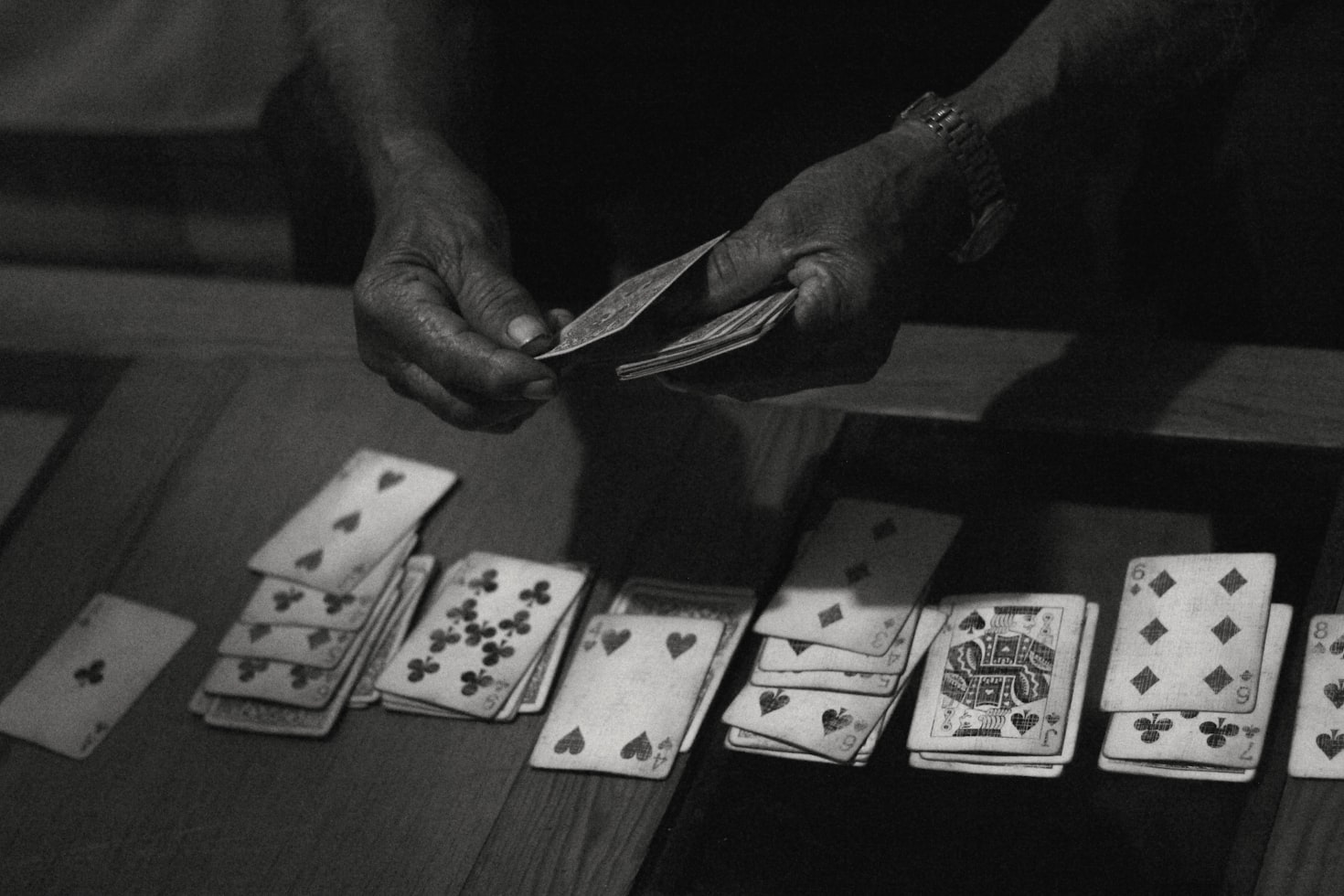
Technological advancements have also reshaped how players perceive luck, particularly with the rise of online gambling platforms. The anonymity and convenience of these platforms create a different relationship with luck, where players may miss out on the immediate emotional highs and lows often experienced in traditional casinos. This lack of social interaction can lead to a more solitary gambling experience, which may distance players from the collective belief in luck that often exists in physical environments. Understanding this shift can provide valuable insights into how players can adapt their strategies to suit their preferred gambling settings.
Additionally, cultural perceptions of luck vary widely across different regions, influencing how players approach their gambling experiences. Superstitions, beliefs about lucky numbers, and personal rituals differ from one culture to another, ultimately shaping how individuals engage with the concept of luck while gambling. Understanding these cultural nuances can provide deeper insights into the role of luck in gambling, as players navigate their unique beliefs and experiences that contribute to their overall success. Embracing these differences can enrich the gambling experience and foster a more inclusive understanding of luck’s role in games of chance.
Conclusion on Luck in Gambling
In conclusion, luck constitutes a fascinating and multifaceted aspect of the gambling experience. While it can lead to unexpected victories, achieving success in gambling typically hinges on skill, strategy, and informed decision-making. Players who recognize the balance between luck and skill are better equipped to navigate the unpredictable nature of gambling, ultimately enhancing their enjoyment while effectively managing risks. This understanding can transform their approach to gambling, making it a more rewarding endeavor.
Moreover, understanding the role of luck involves embracing the psychological and cultural elements that shape gambling behavior. By acknowledging these influences, players can adopt a more holistic view of gambling, appreciating the thrill of chance while also valuing the significance of strategic play. As the gambling landscape continues to evolve, discussions surrounding the relationship between luck and skill will become increasingly relevant in the pursuit of success. This ongoing dialogue can empower players to make informed decisions and foster a healthier relationship with gambling.
For those seeking further insights into the world of gambling, exploring various resources can deepen one’s understanding of both luck and skill. Whether through expert blogs, academic research, or community discussions, engaging with the broader gambling discourse can significantly enhance one’s experience and knowledge. By embracing a well-rounded perspective on luck and success in gambling, players can ensure a more responsible and enjoyable journey within this captivating realm. This comprehensive approach to understanding luck can lead to more fulfilling gambling experiences and a greater appreciation for the game itself.